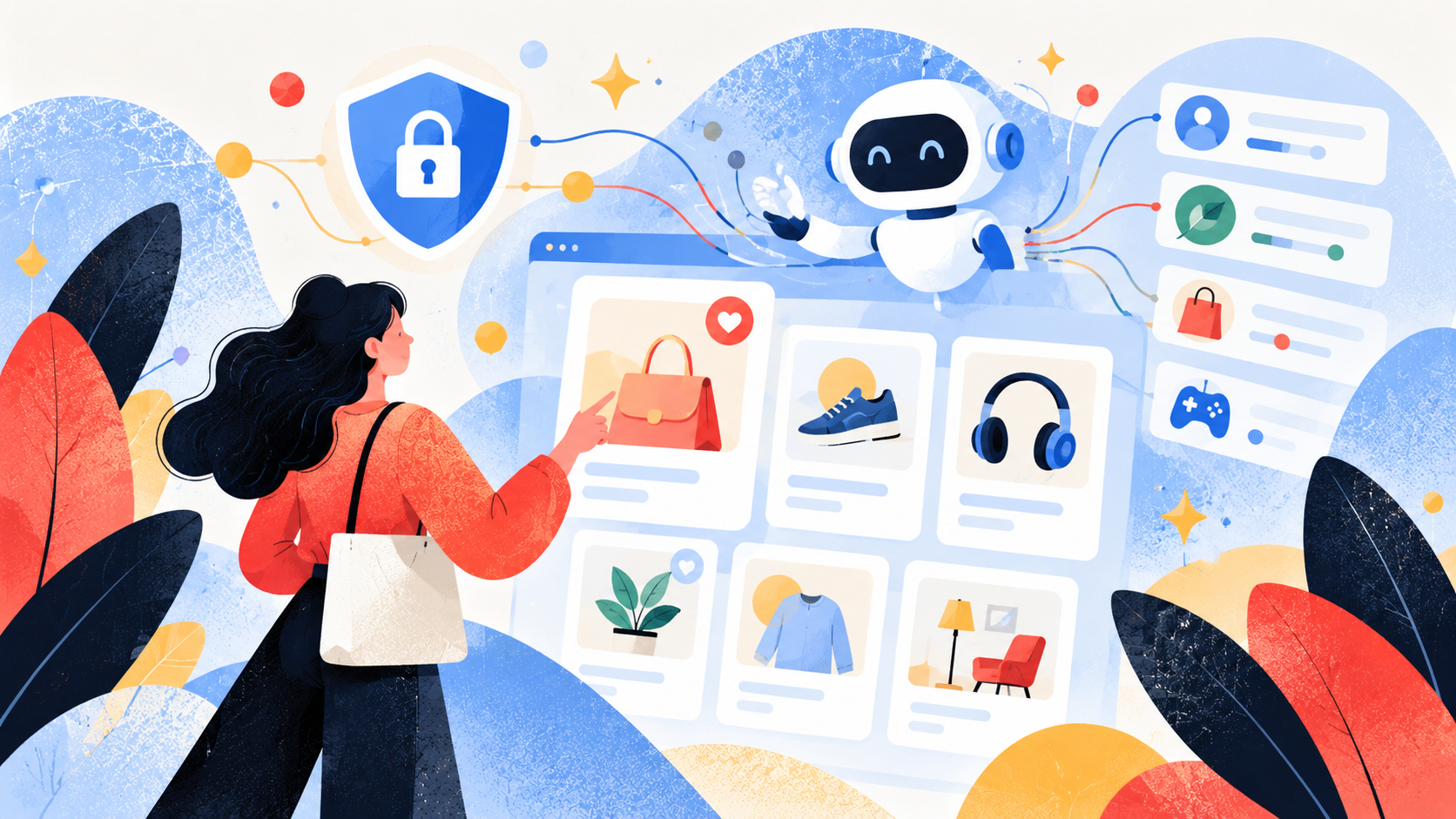
Personalization is one of the most attractive promises of AI marketing. In theory, every customer can receive a more relevant message, offer, recommendation, or experience. In practice, personalization can create two very different reactions: “This company understands what I need” or “Why does this company know so much about me?”
The difference is rarely the technology itself. The difference is how responsibly the information is used. AI makes personalization easier to scale, but it does not remove the need for judgment, context, and restraint.
Useful Personalization Reduces Effort
The best personalization often feels like good customer service. An existing buyer sees accessories compatible with a product already purchased. A visitor from Saudi Arabia receives shipping information relevant to Saudi Arabia. A prospect who downloaded a guide about B2B lead generation receives a related case study rather than a random consumer promotion.
In each case, the company is using context to make the journey easier. The personalization is visible, but it is not invasive.
Creepy Personalization Reveals Too Much
There is a difference between using information internally and announcing that information to the customer. A company may know that someone visited a pricing page several times. That signal could help identify intent. Displaying a message such as “We noticed you visited our pricing page three times this week” would probably feel uncomfortable.
Marketers should therefore ask two questions before using any personalized element: Does this improve the experience? And would the customer reasonably expect us to use this information in this way?
AI Makes Behavioral Segmentation More Practical
Traditional segmentation often depends on broad characteristics such as age, location, industry, or job title. AI can combine those characteristics with behavior. A person reading introductory articles may still be learning. A person comparing service packages, checking case studies, and revisiting pricing is much closer to a decision.
The communication can therefore change without pretending that the company knows the person intimately. Early-stage visitors may receive educational material, while high-intent prospects may receive a case study, consultation offer, or implementation guide.
Personalization Should Not Destroy Brand Consistency
There is a temptation to customize everything. If every user receives completely different messages, however, the brand can lose its identity. Strong brands still need consistent values, promises, tone, and positioning.
The delivery can adapt while the central message remains stable. A university, consultant, software company, or agency should still sound recognizable regardless of the audience segment.
Start With Practical Personalization
Many businesses assume they need a complex enterprise system before personalization becomes useful. In reality, simple rules can produce meaningful improvements.
- Use industry-specific landing pages.
- Separate customer emails from prospect emails.
- Adapt content to language or region.
- Recommend relevant products based on category interest.
- Create different nurture sequences for different services.
- Show returning visitors useful next-step content.
Give Customers Control
Trust improves when people can influence what they receive. Preference centers, topic selection, clear unsubscribe options, readable privacy notices, and transparent consent all make personalization feel more respectful.
This is particularly important because AI systems can combine signals faster than most users realize. The technical ability to infer something does not automatically create a good reason to use that inference in marketing.
Measure Experience, Not Only Conversion
A personalized campaign may improve click-through rate while harming trust. That is why businesses should look beyond short-term conversion metrics. Monitor unsubscribe rates, complaint rates, customer feedback, return behavior, and long-term retention alongside campaign performance.
Strong personalization creates relevance without making the customer feel watched. Weak personalization turns data into surveillance. AI can enable either outcome. The strategic advantage belongs to businesses that choose relevance, transparency, and restraint.
Muhammad Al Ori
Business Development and Marketing Strategy